
The Paddock Society · Aug 1, 2026 · 2 min
The Case for Driving Your Collector Car in Texas Heat
Storing a fine automobile behind glass is a choice, not a virtue. Here is why the drive-it-don't-trailer philosophy matters more than ever in Austin, Texas.
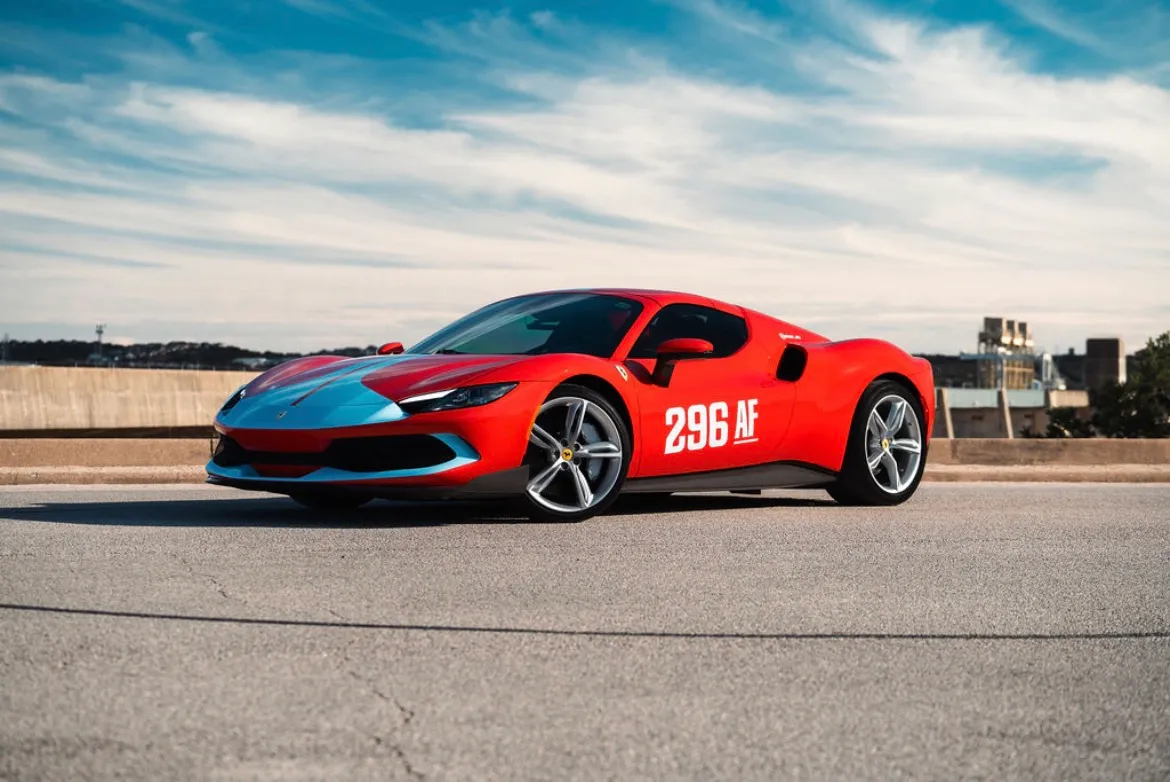
A Car Parked Is a Car Diminishing
There is a particular kind of collector who measures the value of a car by how seldom it moves. The odometer stays low, the paint stays perfect, and the machine sits in climate-controlled silence, appreciated but never truly used. We understand the instinct. We do not share it.
At The Paddock Society, we have always believed that an automobile reveals itself only under load. The way a carburetor breathes on a warm morning, the particular resistance of an old steering rack at low speed, the sound a flat-six makes when it finally reaches operating temperature and settles into something like contentment. None of that is available in a photograph, and none of it exists in a trailer.
August in Austin, Texas, does complicate the matter. We will be honest about that.
What the Heat Actually Does
The Texas summer is a legitimate adversary. Ambient temperatures above one hundred degrees place real stress on rubber, coolant systems, and the patience of anyone wearing a driving glove. These are not reasons to keep the car indoors. They are reasons to prepare it properly and drive with intelligence.
Fluid intervals matter more here than they do in milder climates. Coolant condition, belt tension, and hose integrity deserve inspection before any drive of consequence, not after. A car that runs confidently in an Austin, Texas, August has been maintained honestly, and that honesty shows in the way it behaves. Deferred maintenance is easy to ignore when the car never leaves the garage. It becomes immediately apparent when you ask the car to work.
Paint care is a related consideration. Prolonged exposure to direct afternoon sun, particularly on darker finishes, accelerates oxidation faster than almost any other factor. Parking in shade during peak hours, applying a quality carnauba wax appropriate for high-UV environments, and using a breathable fitted cover when the car must sit outdoors are all straightforward practices. They protect the finish without keeping the car from its purpose.
Mechanical Sympathy Is a Driving Skill
The drive-it-don't-trailer philosophy is not a license for carelessness. It is a commitment to mechanical sympathy, which is perhaps the most underrated skill in the collector car world. Mechanical sympathy means you warm an engine before asking anything of it. You listen to what changes. You notice the pedal feel that was not quite right last week and you follow that thread before it becomes a story.
Drivers who trailer their cars to every gathering often arrive with machines that look immaculate and respond sluggishly. Drivers who use their cars regularly tend to arrive with machines that look lived-in and respond with precision. The distinction is not superficial.
What We Encourage
This month, we would simply encourage members to drive. Find the cooler part of a weekday morning in Austin, Texas, map a route with enough length to be meaningful, and let the car do what it was designed to do. Bring water for yourself and fresh fluid for the reservoir under the hood.
Share what you discover on Instagram at @the_paddocksociety. Not the parking lot arrival, but the road itself. That is where the car lives.